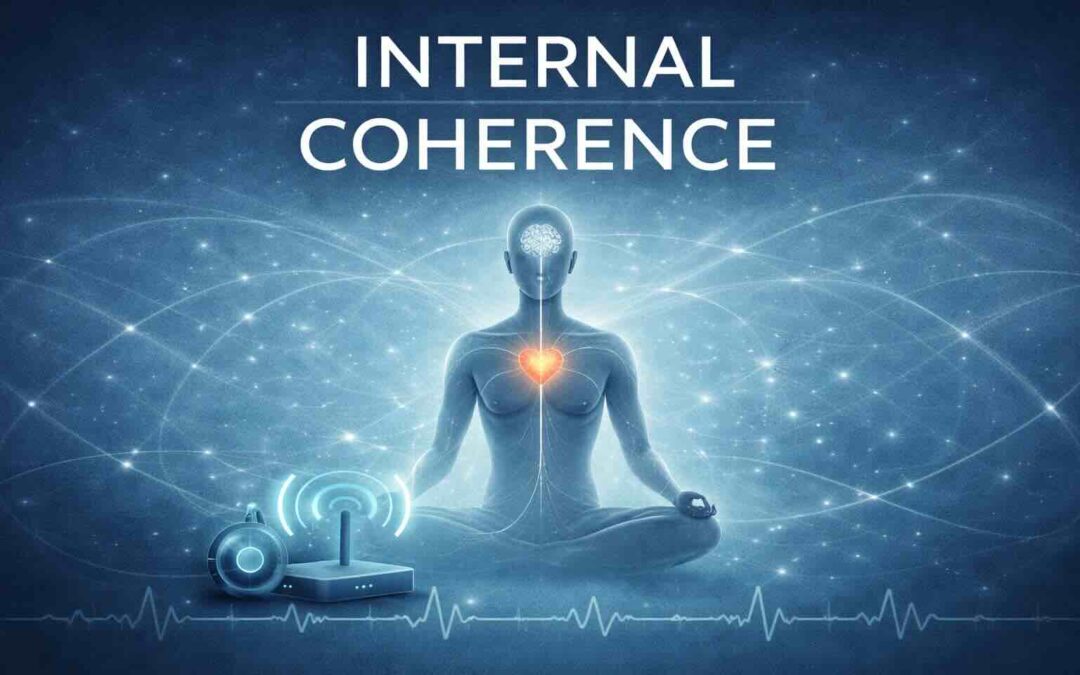
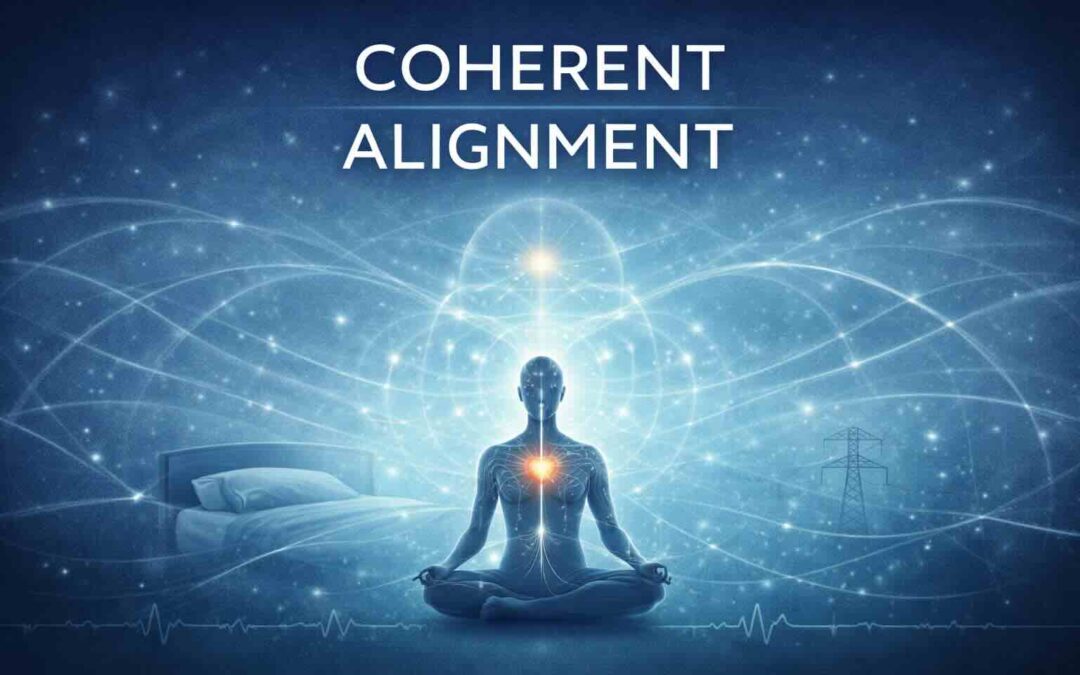
Heart–brain coherence refers to a measurable physiological state in which heart rhythms, neural signaling, and emotional regulation operate in synchronized patterns. This coordinated activity is primarily mediated through the autonomic nervous system and the vagus...
Light exposure is one of the primary signals regulating human biology. For most of human history, night meant darkness. The brain evolved to interpret darkness as a signal that it is time for the nervous system to shift into restoration mode. During this period the...
Understanding the Science of Emotional and Physiological Synchronization Heart–brain coherence describes a measurable physiological state in which heart rhythm patterns, emotional regulation, and neural activity operate in synchronized balance. Researchers studying...
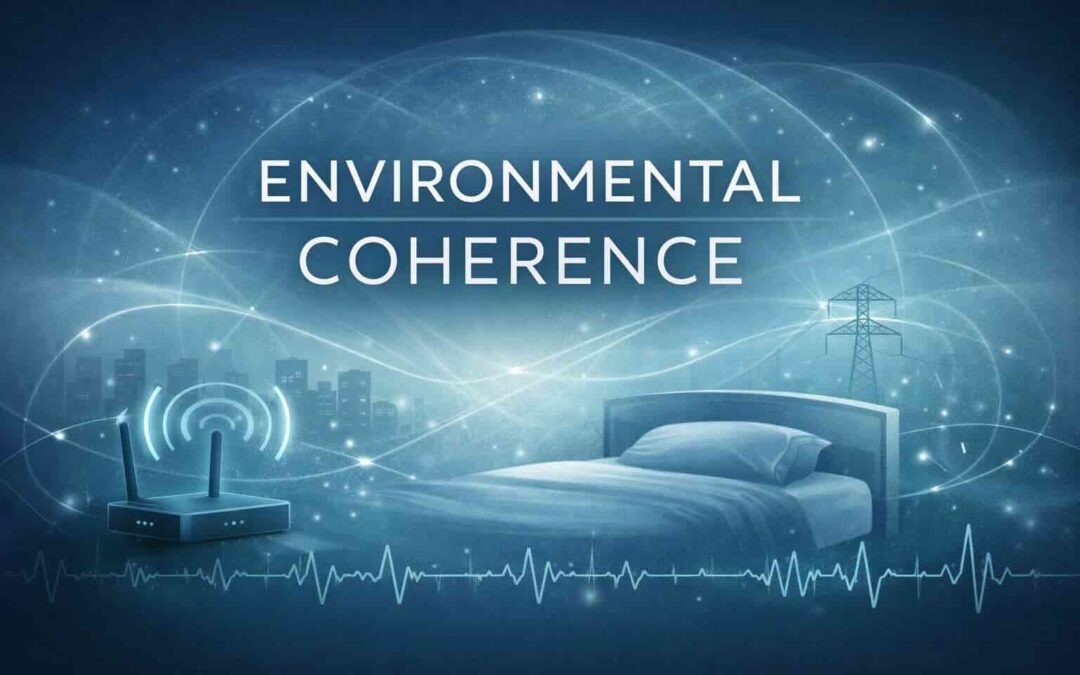
A sleep-supportive bedroom is designed to promote nervous-system relaxation, circadian rhythm stability, and minimal nighttime stimulation. As modern homes become increasingly connected, many bedrooms now contain numerous wireless devices and electronics. Creating a...
As awareness of electromagnetic environments has increased, a variety of technologies have been developed to help people manage electromagnetic exposure in homes and workplaces. These technologies vary widely in design, scientific support, and intended purpose. Some...
Electrosensitivity, sometimes called electromagnetic hypersensitivity (EHS), is a term used by individuals who report symptoms they associate with exposure to electromagnetic fields. Reported symptoms may include sleep disturbance, headaches, fatigue, difficulty...
Melatonin is one of the most important hormones involved in sleep regulation. It signals the body that nighttime has arrived and helps coordinate biological processes associated with recovery and repair. Because melatonin depends on environmental cues such as darkness...
The modern bedroom has quietly become one of the most technology-dense rooms in the house. Wireless routers, mobile phones, tablets, smart speakers, wearable devices, and Bluetooth accessories often operate continuously throughout the night. Because sleep depends on...
EMF exposure and sleep quality have become an increasingly discussed topic as modern environments contain more wireless devices, smart appliances, and electrical infrastructure than ever before. While electromagnetic fields are not new to human life, the density and...
Environmental stress can influence inflammation indirectly through sleep disruption, autonomic nervous system imbalance, and sustained physiological strain. While inflammation is a complex biological process, it often becomes more difficult to regulate when the body...
Heart rate variability (HRV) is the natural variation in time between heartbeats. In general, HRV is used as a signal of autonomic nervous system balance and recovery capacity. While HRV is not a diagnosis, tracking HRV trends over time can help you understand whether...
Nervous system overload is a pattern in which the body has difficulty returning to baseline after stress. It often involves persistent sympathetic activation (high alert) and reduced parasympathetic recovery. Common signs include sleep disruption, irritability,...
Stress affects the nervous system by shifting the body toward increased sympathetic activation (fight-or-flight) and reducing parasympathetic recovery capacity (rest-and-digest). In the short term this supports survival. Chronically, it can contribute to sleep...
Environmental stress refers to external conditions that increase physiological load on the body, including air pollution, noise, light at night, heat stress, water contaminants, chronic psychosocial pressure, and high-stimulation built environments. These stressors...
Overhydration is a condition in which excessive water intake dilutes sodium levels in the bloodstream, disrupting electrolyte balance and cellular signaling. Yes, it is possible to drink too much water. Although hydration is essential for health, excessive water...
Dehydration occurs when the body loses more fluids than it takes in, disrupting the balance needed for circulation, temperature regulation, and cellular metabolism. Even mild dehydration can influence energy levels, cognitive performance, and physical comfort. Because...
Water filtration refers to systems designed to reduce contaminants in drinking water, such as chlorine byproducts, heavy metals, PFAS compounds, and microplastics. The “best” filtration method depends on what contaminants are present in your water supply and what...
The amount of water a person should drink daily varies by body size, activity level, climate, diet, and health status. General guidelines often fall around 2–3 liters per day for many adults, but individual needs can be higher or lower depending on sweat loss,...
Well… here we are. Today, February 20, 2026, begins the once-in-36-years Saturn–Neptune convergence — a year-and-a-half cycle where structure (Saturn) meets mystery (Neptune). And right on cue? Alien disclosure headlines floating through the news. You truly can’t make...
Feeling the Pulse of the Cosmos Space Weather, Earthquakes & the Electrified Dance of the Planets I’ve felt it for as long as I can remember. The silent magnetism of the Moon pulling my sleep into strange tides…The deep hum of the Earth underfoot when no one else...
Links Between Immunosuppression and 5G: What We Know & What’s Still Unclear ⚡️1. Does the Electrical Conductivity of Water Increase with Temperature? YES Fact: As water temperature rises, its molecular activity increases, leading to more ion...
Many families are unaware of how much electromagnetic radiation surrounds them daily. Fortunately, you don’t need a big budget to reduce exposure. Here are 6 effective, affordable strategies to protect your home, body, and peace of mind. 1. Replace Smart Meters with...
“The journey to Antarctica to meditate there began in Italy in 2009 and led me to friendship with the inventor Dr. Patrick Flanagan, whose support of conscious media continues through CoolestTechEver.com’s sponsorship, for which I am profoundly...
What is PEMF? The Science of Cellular Recharge ⚡ PEMF (Pulsed Electromagnetic Field Therapy) is a proven technology that uses low-frequency electromagnetic waves to energize and heal the body at the cellular level. Unlike fringe energy concepts, PEMF is backed...
Disclaimer: These statements have not been evaluated by the Food and Drug Administration. The products featured on this site are not intended to diagnose, treat, cure, or prevent any disease. Always consult with your healthcare provider before beginning any wellness program or using any product.







 LOW RADIATION CAP
Original price was: $39.99.$36.00Current price is: $36.00.
LOW RADIATION CAP
Original price was: $39.99.$36.00Current price is: $36.00.