
Bio-Hacking Great Health
Coolest Tech Ever
Whether it’s the best PEMF therapy tools available today or the famed Flanagan Sensor V medallion, all our offerings are carefully curated for their ability to powerfully enhance your life, and are fully serviced and guaranteed by the manufacturers from well-established makers with over 100 combined years of pristine reputations like PhiSciences, iPyramids, Healing Sounds, Omgym, and more.
While we are passionate fans of these products and have conducted nearly 200 independent reviews on CoolestTechEver.com, it’s important to note that we are not scientists. We simply use and love these innovations to reduce inflammation, improve our hydration and energy, and support our body’s innate self-healing.
We encourage you to do your own research and consult with your physician before trying any new technology or product.
EMF & Sleep Quality
Understand how electromagnetic environments may affect sleep.
Hydration & Cellular Health
How water quality and hydrogen water influence cellular resilience.
Heart-Brain Coherence
Breath, HRV, meditation and emotional regulation science.
Environmental Stress Load
How modern electronic environments affect the nervous system.

HeartMath Coherence Tools Discount
Use coupon code ‘coolest’ at checkout on HeartMath.com for 10% OFF heart-brain coherence tools.
-
Sale!
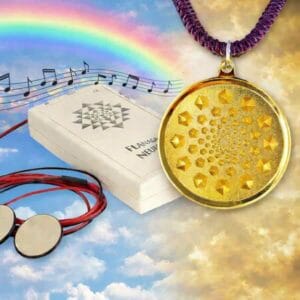
Sensor V / NF3 Neurophone Combo
Original price was: $1,400.00.$999.00Current price is: $999.00. -
Sale!
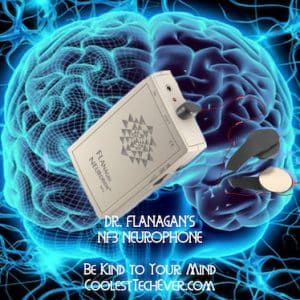
NF3 Neurophone
Original price was: $800.00.$600.00Current price is: $600.00. -
Sale!

Dr. Patrick Flanagan’s Sensor V Medallion
Original price was: $600.00.$400.00Current price is: $400.00. -
Sale!

5 PACK – Crystal Energy
Original price was: $297.50.$238.00Current price is: $238.00. -

NF3 Neurophone TRANSDUCER Headset
$75.00 -
Sale!
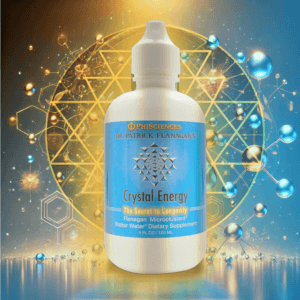
Crystal Energy – SINGLE BOTTLE
Original price was: $59.50.$47.60Current price is: $47.60.
iTORUS PEMF Therapy



Sound Healing Tech
-

Chakra Tuning Fork Kit from Jonathan Goldman
$227.00 -

Holy Harmony Solfeggio Tuning Fork Kit from Jonathan Goldman
$247.00 -

Gaia Frequency BODY TUNERS
$99.95 -
Sale!

Gaia Frequency BRAIN TUNERS
Original price was: $89.95.$45.00Current price is: $45.00. -
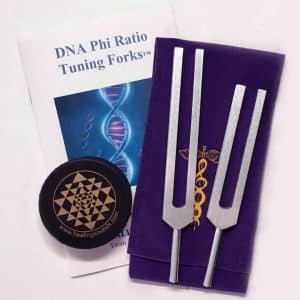
DNA Phi Ratio Tuning Forks Kit
$89.95 -
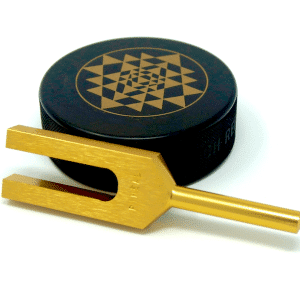
Pineal Activator Tuning Fork Kit from Jonathan Goldman
$89.95 -

Lemurian Tuning Fork Kit from Jonathan Goldman
$129.95 -

Sacred Ratio Pythagorean Tuning Forks
$89.95
-
Sale!

Hydro GO+ Portable Molecular Hydrogen Generating Water Flask
Original price was: $399.00.$249.00Current price is: $249.00. -

Vitalite Shower Replacement Mineral Cartridges
$39.99 -
Sale!
5 PACK – Crystal Energy
Original price was: $297.50.$238.00Current price is: $238.00. -
Sale!
Crystal Energy – SINGLE BOTTLE
Original price was: $59.50.$47.60Current price is: $47.60. -

Sacred Rose Water Aromatherapy Body Mist
$33.00 -

ASEA Renu28 Revitalizing Redox Gel
$70.00
Jonathan Goldman’s Sound Healing Tuning Forks
-
Chakra Tuning Fork Kit from Jonathan Goldman
$227.00 -
Holy Harmony Solfeggio Tuning Fork Kit from Jonathan Goldman
$247.00 -
Gaia Frequency BODY TUNERS
$99.95 -
Sale!
Gaia Frequency BRAIN TUNERS
Original price was: $89.95.$45.00Current price is: $45.00. -
DNA Phi Ratio Tuning Forks Kit
$89.95 -
Pineal Activator Tuning Fork Kit from Jonathan Goldman
$89.95 -
Lemurian Tuning Fork Kit from Jonathan Goldman
$129.95 -
Sacred Ratio Pythagorean Tuning Forks
$89.95